
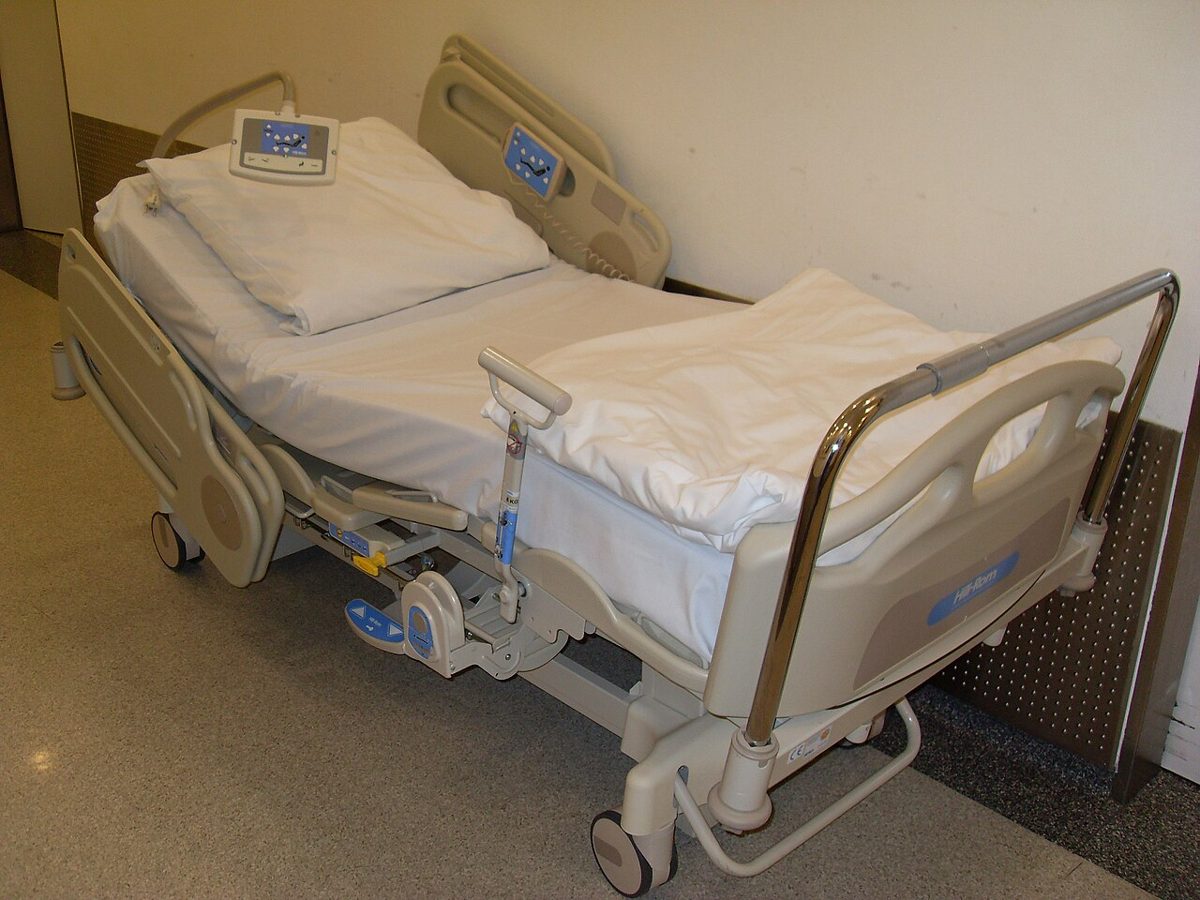
A hospital bed gets used more than almost anything else in a ward. It is moved, cleaned, cranked up and down, and sat on by visitors who shouldn't. When a bed is badly made, staff feel it within a month.
Here is what we ask customers to think about before they choose.
How many cranks do you need?
- One crank raises the backrest. Fine for general wards and recovery.
- Two cranks add the knee section, so the patient doesn't slide down when sitting up. This is the most common choice for medical wards.
- Three cranks add height adjustment. Nurses appreciate it, because care at the right height is easier on their backs.
Motorised ICU beds are a different purchase altogether. Plan them separately, with your power supply and backup in mind.
Look underneath
Most of the quality is underneath, so check:
- Castors. Bigger wheels roll better over uneven floors and door thresholds. Make sure at least two have brakes, and that the brakes actually hold when someone leans on the bed.
- The frame. A powder-coated steel frame lasts longer than painted mild steel, especially in wards that are mopped twice a day.
- Welds. Ask to see a sample. Rough, spattered welds rust first.
Side rails and accessories
Side rails should lock firmly and fold away without pinching fingers. Check whether the bed has sockets for an IV pole and whether the head and foot boards come off. That matters when you need to move a patient in a hurry.
Mattresses are often an afterthought, but a cheap mattress on a good bed undoes most of the benefit. Ask for one with a wipeable, fluid-resistant cover.
Measure your building
This sounds obvious, and it is the thing most often forgotten. Measure the narrowest door, the lift if you have one, and any tight corner on the way to the ward. A bed that arrives in one welded piece and cannot get through the door is a very expensive problem.
Ask about after-sales support
Cranks wear out and castors break. Before you buy, ask who will supply spare parts in two years' time.
Our hospital furniture range includes bed-cum-chairs, examination tables, stretcher trolleys and baby cots. See the furniture we carry, or call us and tell us how many beds you need.